
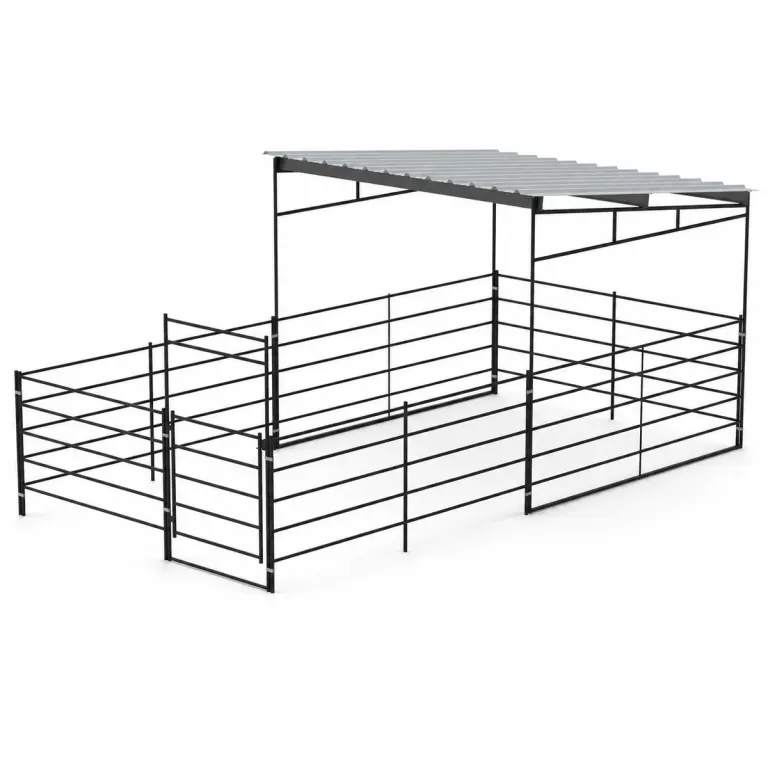
Covered standalone stall
A 12×24 enclosure with a 12×12 sloped cover; compare the 4-rail and 5-rail listings.
View kit details
Covered horse stall kits and side-by-side stall rows for your Oklahoma property.
Equipment for daily use on your property.
Review the included components before you order.
Delivery details are confirmed with your quote.
Compare covered standalone stalls and rows of two or three stalls. The enclosure size and the covered area are separate choices; each listing identifies both.
A 12×24 enclosure with a 12×12 sloped cover; compare the 4-rail and 5-rail listings.
View kit details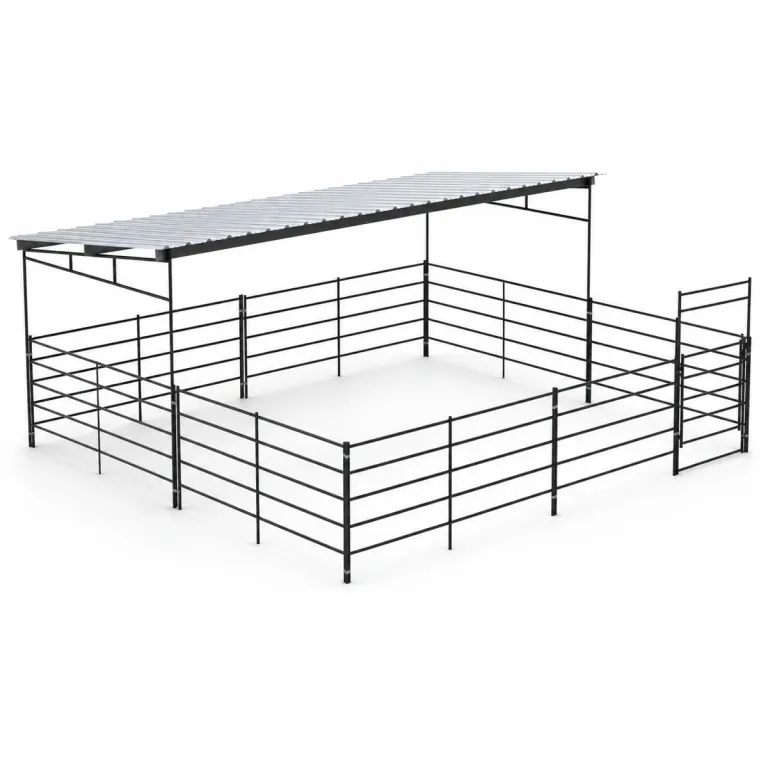
A 24×24 enclosure with a 12×24 sloped cover. Stall area and covered area are different.
View kit details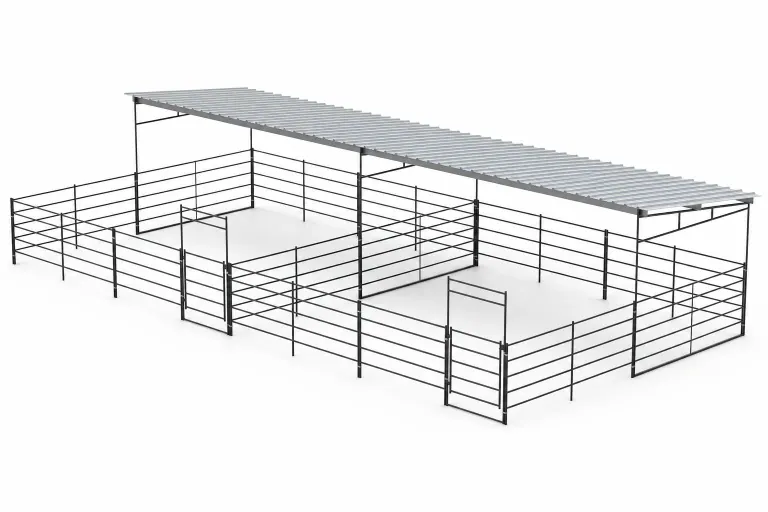
Two side-by-side 24×24 stalls with two 12×24 covers; compare rail counts.
View kit details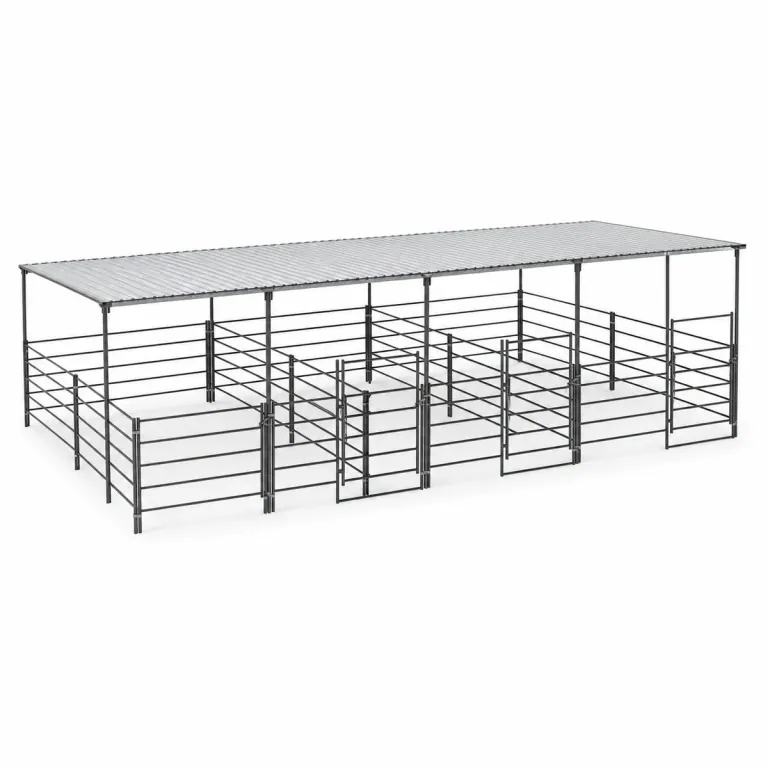
Compare open two- and three-stall rows. These featured configurations do not include a roof.
View kit detailsA 12×24 enclosure with a 12×12 sloped cover; compare the 4-rail and 5-rail listings.
12x24 Stall, 12x12 Sloped Cover 5-Rail$2,120.00 · listed kit price; freight separate.
A 24×24 enclosure with a 12×24 sloped cover. Stall area and covered area are different.
24x24 Stall, 12x24 Sloped Cover 5-Rail$2,860.00 · listed kit price; freight separate.
Two side-by-side 24×24 stalls with two 12×24 covers; compare rail counts.
Two 24x24 Stalls 5-Rail Side by Side, Two 12x24 Covers$5,130.00 · listed kit price; freight separate.
Compare open two- and three-stall rows. These featured configurations do not include a roof.
Three 12x24 Stalls Side by Side 5-Rail$3,260.00 · listed kit price; freight separate.
Stall dimensions, the number of enclosures, roof coverage, rail count, and finish determine the selected kit price.
Compare a single stall with side-by-side rows and larger enclosures.
A 12 × 24 ft stall with a 12 × 12 ft cover is only partially covered.
Review the 4-rail or 5-rail listing and its included gates and connections.
Open stall rows do not include a roof. The selected listing identifies the enclosure and cover separately.

Keep feeding, turnout, and cleaning routes on the same layout.
Mark each gate and the route between the stall and turnout.
Allow room for feed, cleaning and equipment alongside the enclosure.
Plan drainage and installation requirements for the selected cover.
Design the Oklahoma stall routine before choosing a row length. Gate access, cleaning space and the route back to turnout should remain clear when the weather interrupts your normal schedule. A covered stall is housing, not a storm shelter.
Begin an Oklahoma stall plan by drawing the route from every enclosure to the turnout or other area you actually use. Look for crossings at corners and gates that open into the same working space. A longer side-by-side row may place one horse farther from a useful exit than two individual locations. Resolve those movements before comparing the number of panels in each arrangement.
Now walk the same route with feed or cleaning equipment in mind. It is easy to leave enough space for a person while forgetting the width occupied by an open gate or a wheelbarrow. The kit listing cannot describe the obstructions already in your yard. Mark them on a simple sketch and ask for the gate arrangement of the configuration you are considering.
A cover can be part of the daily stall arrangement without being a severe-weather refuge. Do not describe an Oklahoma covered stall as tornado-proof or assume that five rails establish a structural weather rating. The order needs a particular roof configuration and its appropriate installation details; any broader site or weather requirements need their own qualified review before work begins.
Compare the actual covered area in the listings. A 24×24 stall with a 12×24 cover has open enclosure space beyond its roof, while a 12×24 stall with a 12×12 cover is a smaller partially covered arrangement. Those choices answer a coverage question, not an engineering question. Include the intended use of the covered area in your quote instead of selecting by the word shelter alone.
A pair of stalls can simplify a feeding route when both fronts are easy to reach. Three stalls in a row need a longer working edge and a thought-out approach to the far end. Mark where bags, tools and temporary equipment normally sit. A plan that works only while the yard is completely empty is not a useful plan for an occupied horse property.
Check whether your chosen row is open or supplied with covers. The collection carries both, and the count of enclosures is independent of the count and dimensions of roofs. Keep one line for each of those requirements on your drawing. When a cover is essential, specify it at the start rather than expecting an open row to arrive with roof components from a related listing.
An existing enclosure can make an add-on attractive, but the add-on category is not a shortcut to a complete first stall. Portable horse stall extensions share an existing wall. Take photographs of that wall, its connections and its rail arrangement before deciding which extension to price. Include any difference between the current ground level and the proposed new space in the discussion.
A covered extension has more to resolve than the joining panels. Its support arrangement needs to suit the chosen product and the property. For an Oklahoma layout that may change later, distinguish moving an open panel enclosure from relocating a roofed structure. Do not promise yourself an easy move based on portability language that describes only the enclosure components rather than the installed cover.
Send the shop your Oklahoma location, the number of stalls, the size of each stall and the planned roof coverage. Add gate routes, existing connections and photographs showing the full work area. Mention any need to preserve an equipment passage. These details let the quote address the actual daily layout instead of simply selecting a row with the right stall count.
The featured product prices are kit prices. Preparation, installation and any unlisted materials remain separate considerations. Confirm the included parts and obtain the selected model’s support requirements before preparing the site. Keep the final order tied to the original product listings so the listed finish, configuration and permanent SKU remain clear when you compare the quote with the catalog.
Start with a size or layout. We can help you compare options.
Include truck access, gate openings and unloading details.
Review the selected configuration and delivery quote with our team.
Equipment, delivery details and freight are confirmed with your quote. About delivery
Use the Get a Quote link to prepare your request, or call (619) 914-6657. Send the number of horses, each proposed stall size, the cover you need and a sketch of the gates and cleaning route. Include the project location and any existing panels you need to match.
Freight is separate from the product price. Send the project address or ZIP code with your selected configuration so delivery and access requirements can be confirmed with the quote.
Compare covered standalone stalls and side-by-side rows. Enclosure dimensions and cover dimensions are separate. Open single stalls and modular extensions belong to the portable horse stalls collection.
No. The listed price is for the product, not an installed project. Check the selected listing and installation guide for assembly, support, and site-preparation requirements before ordering.
No. They are horse housing configurations, not severe-weather shelters. Do not infer a storm rating from a roof shape, rail count or steel gauge. Site-specific structural and weather requirements need separate review.
Those products answer different needs. Decide how many separate enclosures you need and how much of each must be covered, then compare a listed configuration that meets both requirements. An open row does not include roof coverage by default.
Include the entrance and the full path to each stall in your drawing. Confirm gates, opening direction and the working space outside the row. A nominal stall dimension does not describe the usable route through the surrounding yard.
The kit price does not include installation. Ask for the selected configuration’s contents and support requirements, and keep site preparation and assembly separate when budgeting the project.
From Oklahoma City, Tulsa, Norman and beyond, send your city or ZIP so we can confirm delivery for your property.
Let’s find the right equipment for your Oklahoma property.